
Crafting Emotions in Wax and Aroma
Step into a sensory workshop where wax, flame, and botanicals collaborate to nudge feelings gently in desired directions. Today we focus on designing aromatherapy scent profiles for specific emotions in handmade candles, translating neuroscience and perfumery into friendly steps, approachable ratios, and uplifting rituals. Whether you’re soothing stormy evenings or sharpening creative mornings, you’ll find practical guidance, vivid examples, and testing methods that help each blend speak clearly, safely, and beautifully.
How Fragrance Talks to the Brain
{{SECTION_SUBTITLE}}

Memory, Mood, and the Limbic Shortcut
Think about the first rain on warm pavement and how instantly your shoulders loosen. That surge bypasses deliberate thought, arriving where stories live. We’ll harness similar pathways using gentle herbal floral anchors and subtle citrus sparks, building profiles that invite relief without dulling presence or flattening your natural emotional range.

Volatility, Notes, and Perceived Balance
Top notes greet quickly, then fade; heart notes carry the mood; base notes reassure and extend. By mapping volatility to your emotional objective, you choreograph the experience over time, ensuring the first impression charms while the final whisper settles nerves and anchors attention kindly.

Calm: Lavender, Roman Chamomile, and Creamy Woods
Combine lavender angustifolia and Roman chamomile for a soft, reassuring heart, then anchor with sandalwood or amyris for warmth. A whisper of bergamot brightens without agitation. Start around 30% top, 50% heart, 20% base by aromatic intensity, then adjust until exhalations lengthen and shoulders release.

Focus: Rosemary, Peppermint, and Citrusy Spark
Sharpness needs lift and direction, not brute force. Pair rosemary verbenone with peppermint for clean delineation, and stitch in grapefruit or lemon for crystalline edges. Keep sweetness restrained. Test in short work sprints, logging alertness, distraction, and fatigue across burns to confirm reliable, sustainable clarity.
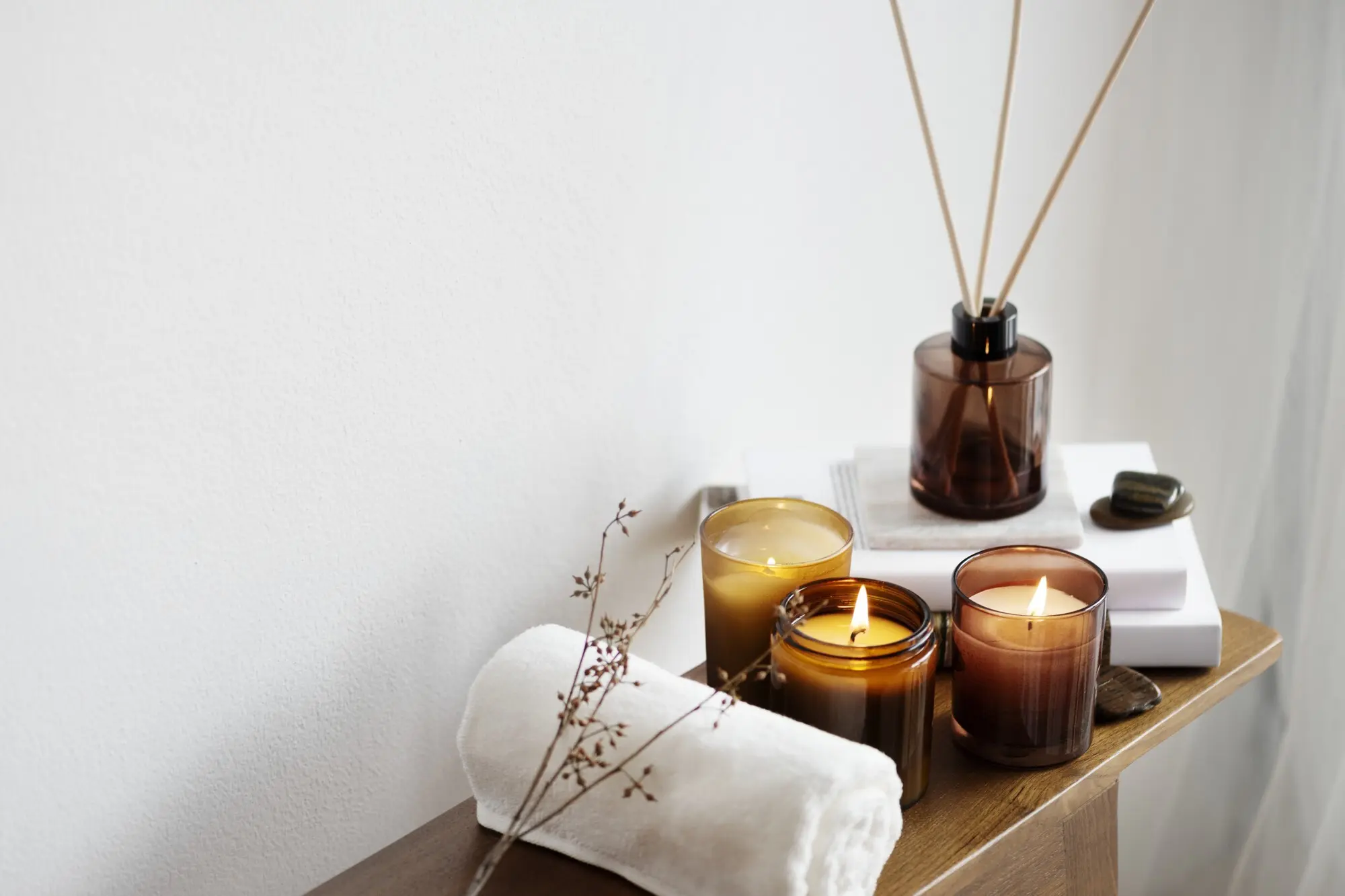
Joy: Sweet Orange, Ylang-Ylang, and a Vanilla Smile
Joy benefits from buoyancy and tender grounding. Let sweet orange and mandarin sparkle upfront, ease in ylang-ylang for velvety bloom, then land softly with vanilla or benzoin. Avoid cloying density. Aim for sunlight through curtains, not carnival syrup, inviting spontaneous grins and small celebratory impulses.
Wax, Wick, and Throw: Designing the Delivery
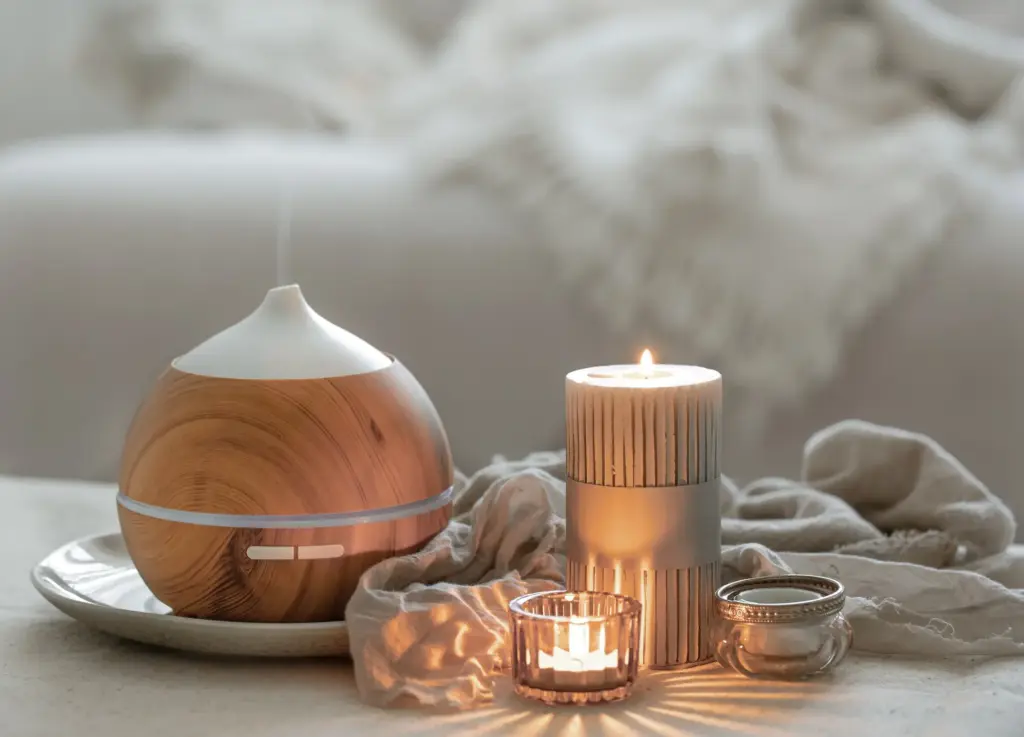
The same blend behaves differently across waxes and wick sizes. Diffusion depends on melt pool width, temperature, and room dynamics. Choose materials that align with your emotional goal: soft comfort prefers steady, rounded throw; energizing brightness appreciates faster bloom, quick lift, and clean, crisp dispersal without harshness.



Blending Workflow and Repeatable Craft
Consistency liberates creativity. Establish a reproducible process: precise scales, small pilot batches, controlled cure windows, and honest evaluation rituals. Label meticulously, sniff across days, and invite contrasting noses. Over time, your library of accords becomes a vocabulary for guiding feelings with accuracy, warmth, and artistic restraint.

Accord Building with Top–Heart–Base Discipline
Sketch the emotional arc first, then assign roles. For example, 25% top for entry, 55% heart for character, 20% base for longevity, adjusted by intensity. Build micro-accords, marry them, and rest the blend. Return later with fresh perception, confirming the storyline holds through a complete burn.
Smell Breaks, Palate Cleansers, and Notes
Olfactory fatigue blurs judgment. Step away, breathe neutral air, and revisit on paper blotters before vessel tests. Keep a notebook of impressions, emotional shifts, and environmental variables. Patterns appear, guiding revisions that respect both chemistry and feeling, elevating the candle from pleasant fragrance to purposeful companion.
From Lab Beaker to Home Jar: Scaling Without Surprises
Small tests can hide problems that emerge in larger vessels. As you scale, re-validate throw, flame behavior, and stability. Adjust wick series, consider additives like stearic or vybar prudently, and confirm the emotion still arrives faithfully in living rooms, bedrooms, and quiet morning corners.
Safety, Ethics, and Transparency
Comfort should never compromise well-being. Keep within safe fragrance load percentages for your wax, observe flash points, and follow IFRA guidance for relevant materials. Disclose allergens sensitively, consider pets and children, and communicate clearly so households can enjoy emotional support with confidence, consent, and informed, calm participation.

Ritual, Aesthetics, and Story
Color, Texture, and the Subtle Cue
Soft neutrals whisper sanctuary; saturated corals beam optimism; inky blues invite thoughtfulness. Matte wax reads quiet; glossy finishes announce polish. Let tactile choices echo the fragrance arc, reinforcing intention before a single molecule diffuses. Cohesion calms the mind, helping the emotion arrive with minimal resistance.
Naming That Invites Intention
Names hold doors open. Trade cliches for small scenes: "Unhurried Porch," "Page-Turn Clarity," or "Warm Bread Window." Words plant expectations that prime perception, enriching how the blend is received. Invite readers to share their own phrasing, building a shared lexicon of honest, usable feelings.
Guided Use: Breathing, Reflection, and Timing
Support the aroma with simple practices. Suggest two slow breaths when lighting, ten minutes of journaling at peak throw, and a soft check-in when extinguishing. Ritual shapes recall, so feelings return faster next time, weaving reliability through small, repeatable, hopeful household moments.
Testing with People and Data
Great candles earn trust through evidence. Pair sensory exploration with simple measures: mood ratings, journaling, and timed burns. Share prototypes with friends, gather observations, and iterate transparently. Join our mailing list, trade insights in comments, and help refine blends that truly support everyday emotional intentions.
Mood Surveys and Simple Metrics
Use a brief pre- and post-burn check: one to ten calmness, focus, or joy. Note environment, wick trim, and time of day. After a week, patterns appear. Numbers won’t replace noses, but they illuminate progress and confirm your design carries the message you intended.
Blind Trials and In-Home Diaries
Label testers A, B, and C, hiding names and notes. Ask participants to light during specific activities, then record associations and comfort levels. Blind impressions reduce bias, revealing which construction truly guides feelings. Diaries capture context, so you can fine-tune for mornings, meals, or restorative evenings.

All Rights Reserved.