Color and Texture Pairings That Make Artisan Candles Feel At Home
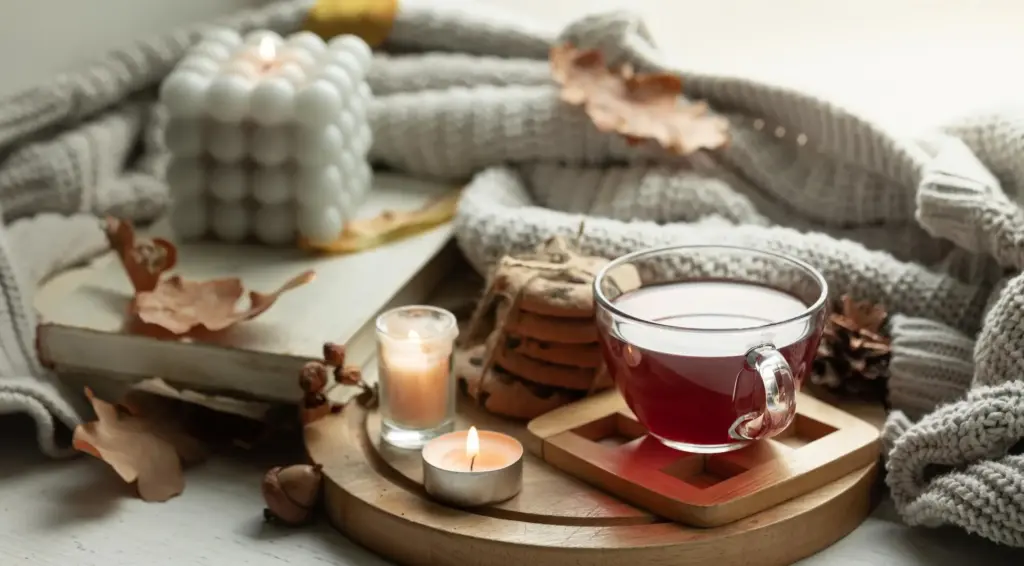
Step into a world where color whispers to texture and light answers softly, as we explore color and texture pairings: coordinating artisan candles with home accents. From velvety wax finishes to linen, marble, brass, wood, and rattan, discover combinations that calm, energize, and harmonize daily life. Expect practical guidance, affectionate anecdotes, and designer-backed insights that help your spaces feel collected, personal, and effortlessly inviting.

Palette Alchemy for Cohesive Spaces

Finding the Anchor Hue

Choose one stabilizing color that already thrives in your space, perhaps a moss green in a rug or a dusty rose in artwork. Let your primary candle echo that anchor without copying it exactly. A shade lighter or deeper creates dimension, while vessel material—ceramic or tinted glass—subtly enriches the relationship.

Balancing Saturation and Neutrals

Choose one stabilizing color that already thrives in your space, perhaps a moss green in a rug or a dusty rose in artwork. Let your primary candle echo that anchor without copying it exactly. A shade lighter or deeper creates dimension, while vessel material—ceramic or tinted glass—subtly enriches the relationship.

Metallics as Quiet Bridges

Choose one stabilizing color that already thrives in your space, perhaps a moss green in a rug or a dusty rose in artwork. Let your primary candle echo that anchor without copying it exactly. A shade lighter or deeper creates dimension, while vessel material—ceramic or tinted glass—subtly enriches the relationship.

Tactile Dialogues: Wax, Vessels, and Surfaces

Texture shapes how color is perceived, and candles offer a playground of finishes. Matte beeswax mutes bounce, while glazed porcelain amplifies reflections. Rough stone steadies shimmer, and linen quiets sheen. Place a silky pillar beside reclaimed wood, or a ribbed glass tumbler on travertine, and notice how touch and sight collaborate to guide mood, intimacy, and focus.

Matte Versus Glossy Wax Behavior

Matte wax diffuses light like soft paper, flattering subdued palettes and earthy rooms. Glossy surfaces, especially lacquered holders, punch highlights forward, great for jewel tones or nighttime drama. Try one of each within a vignette, creating tension that reads intentional yet relaxed, encouraging the eye to linger without distraction.

Porous Stone and Raw Clay Allies

Travertine trays, unglazed terracotta, and soapstone coasters absorb visual noise, grounding even glittering candles. Their pores stop glare, letting color feel deeper, older, more assured. A simple taper on a limestone cube looks curated, not fussy, while protecting furniture and staging height changes that sharpen silhouettes and foster balance.

Room Stories: Living, Bed, and Bath Arrangements

Every room hosts different rhythms, so tailor pairings to rituals. In living areas, coordinate candle color with pillows and artwork to invite conversation. Bedrooms benefit from mellow tones and tactile gentleness. Bathrooms thrive on reflective balance: stone steadies glass, cotton softens ceramic. Let each space tell its own story through intentional, sensory layering.

Seasonal Shifts and Mood Mapping

Introduce pale sage and petal pink candles in frosted glass, letting light diffuse like morning mist. Anchor with bleached oak and crisp linen runners. A single ceramic blossom dish repeats porcelain softness. The effect feels rinsed and hopeful, ideal for clearing mental cobwebs and welcoming gentle, purposeful beginnings.
Lean into saturated coral, turquoise, or marigold in glossy vessels that bounce sunlight across woven rattan. Pair with terracotta planters and striped cotton napkins for playful structure. Keep groupings airy to respect heat, allowing color to celebrate longer days while textures stay breathable, unstuffed, and unpretentiously joyful.
Choose oxblood, forest, or ink candles in matte ceramic beside wool throws and hammered brass. Add stacked books to build height and narrative. The gleam of metal keeps darkness romantic, not heavy, while wool and clay tuck light into nooks, crafting evenings that feel generously slow and deeply restorative.

The Gentle Rule of Thirds

Arrange elements so visual weight lands roughly at one-third intervals across a console or shelf. A tall taper, mid vessel, and low trinket dish guide the eye like a melody. This spacing lets colors converse, while textures crescendo subtly, preventing visual monotony and encouraging deeper, curious engagement.

Odd Numbers, Satisfying Harmony

Trios often feel organic because the eye loves asymmetry that still resolves. Position three candles with mixed textures—matte, ribbed, and glossy—on a single runner. Repeat an accent color once elsewhere to stitch the scene. The arrangement feels considered, never stiff, and remains flexible as seasons and moods evolve.

Safe and Elegant Clearances

Beauty bows to safety. Maintain generous clearance above flames, avoid wobbling pedestals, and protect delicate finishes with stone or metal saucers. Choose heat-friendly textiles at respectful distances. Good habits preserve color integrity and texture quality, ensuring your favorite combinations age gracefully, free from soot, scorching, or avoidable accidents.

Wick Discipline, Cleaner Color

Keeping wicks around six millimeters reduces soot, protecting pale walls, delicate textiles, and light-toned ceramics. Snuff instead of blowing to avoid ash scatter. This small practice preserves crisp contrasts and luminous hues, allowing your pairings to look cared-for, intentional, and consistently photogenic across months of comfortable, glimmering use.

Rescuing Textures from Drips

For stone and metal, wait until wax cools slightly, then lift gently with a plastic card and warm cloth. For textiles, place paper beneath, warm with a low iron through clean paper to draw wax out. Patience protects fibers and keeps patterned weaves reading sharp, authentic, and reassuringly tactile.

Sourcing with Heart and Clarity

Choose artisan makers who disclose materials, from cotton wicks to mineral-safe pigments. Favor refillable vessels or recyclable metals, minimizing waste as collections evolve. When you know every part’s origin, color stories feel honest and textures kinder, turning daily rituals into stewardship and hospitality rather than disposable decoration.